

Senegal: When Teranga Transforms Hospitality into Social Capital
Teranga: Much More Than a Welcome Word
In the dusty streets of Dakar as in the remote villages of Fouta, the same word resonates: Teranga. Far beyond a simple code of politeness, this Senegalese philosophy of hospitality forms the foundation of a remarkable informal economic system. When a stranger knocks at your door at mealtime, they leave with a full stomach. When a neighbor goes through difficult times, the community spontaneously mobilizes.
This institutionalized generosity is not charity, but a collective investment in social capital. Each gesture of hospitality weaves a network of reciprocity that transcends social classes and ethnicities. The thiéboudienne shared today becomes tomorrow's assurance of support.
Hospitality as an Informal Economic System
Teranga generates what economists call a cultural dividend. In a country where 60% of the population operates in the informal economy, these solidarity mechanisms compensate for the absence of formal safety nets. Extended families function as mutual insurance companies, neighborhoods as spontaneous credit cooperatives.
This economy of generosity is concretely observed in tontines, these rotating savings and credit associations that mobilize billions of CFA francs each year. Here, there are no banking guarantees: only the given word matters, reinforced by social ties woven daily.
The Brotherhoods: The Invisible Social Net
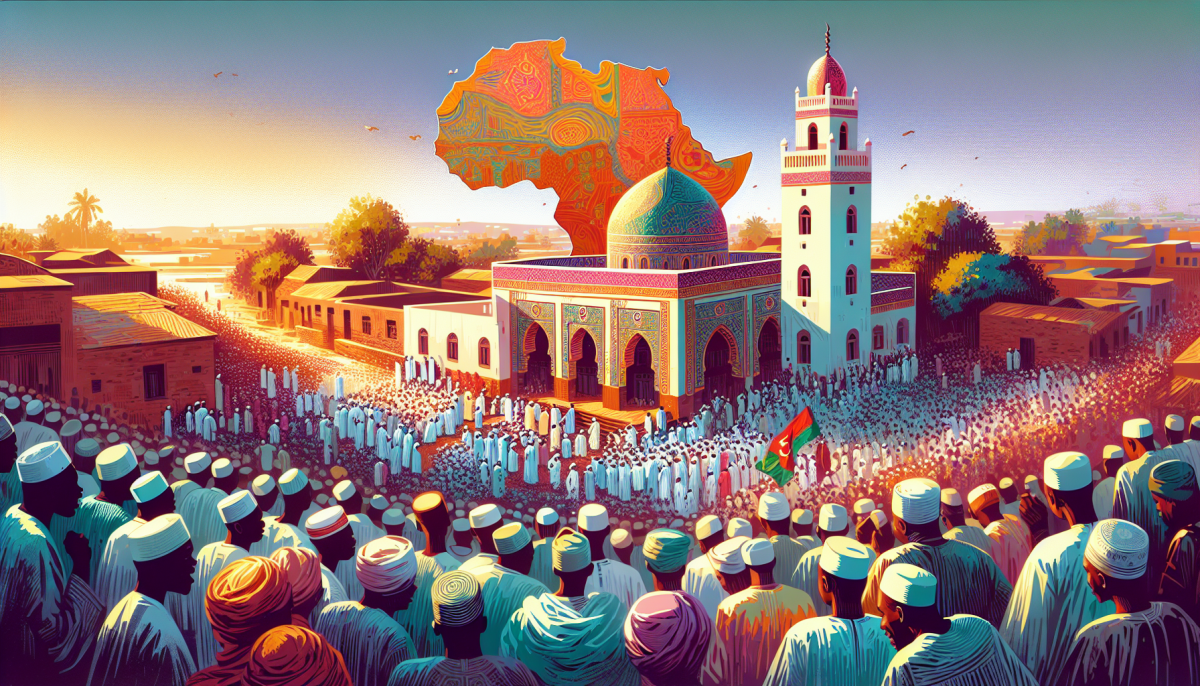
Senegal has a unique particularity in Africa: its Sufi brotherhoods deeply structure society. Mourides, Tidianes, Layènes... these religious organizations far exceed the spiritual framework to orchestrate a genuine parallel social protection system.
Dahiras and Tontines: Organized Social Capital
The dahiras, these Quranic study circles present in each neighborhood, function as active solidarity cells. Beyond religious teaching, they organize mutual aid: contributions for weddings, support for bereaved families, healthcare financing. This brotherhood cohesion creates a dense social network where no one remains isolated.
The great marabouts, far from being simple spiritual guides, coordinate sophisticated economic networks. The holy city of Touba, built entirely by Mouride disciples, testifies to this remarkable capacity for collective organization.
Interreligious Dialogue as a Stabilizer
Despite its Muslim majority (95%), Senegal cultivates exemplary interreligious dialogue. Christians and Muslims share the same family ceremonies, attend the same schools. This religious harmony, rare in the region, constitutes a crucial stability factor in a Sahelian environment marked by community tensions.
Mbalax Nation: When Music Unites a People
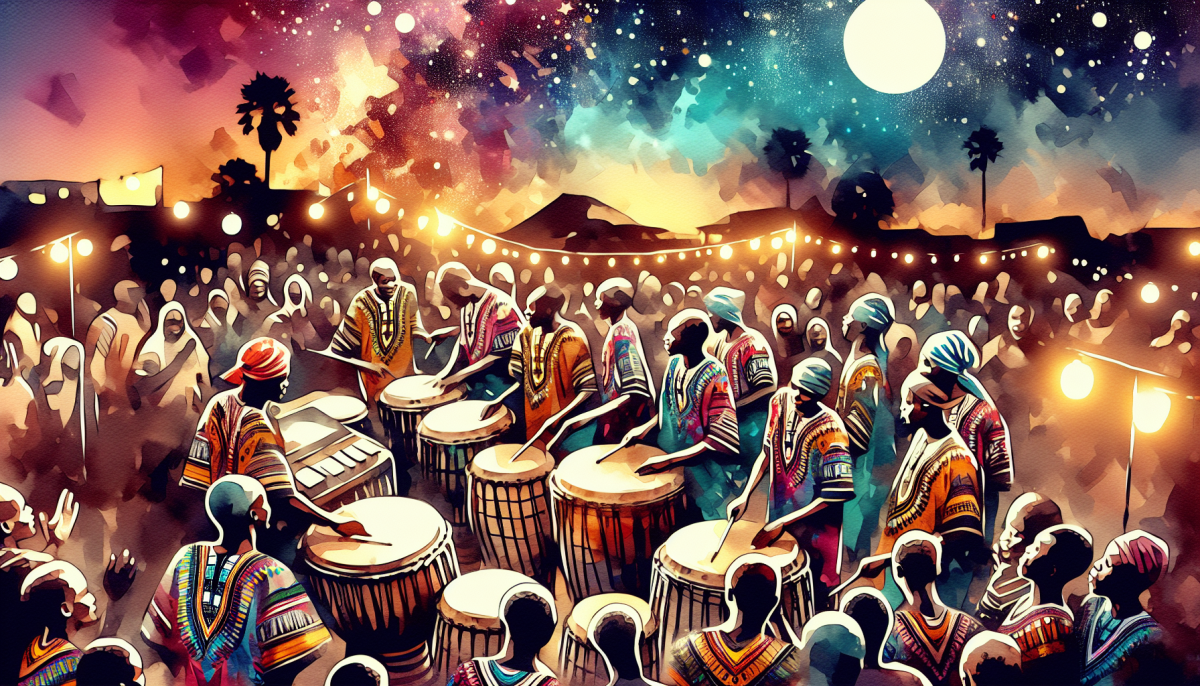
Impossible to evoke Senegalese identity without mentioning mbalax. This musical genre, popularized by Youssou N'Dour and the Super Étoile de Dakar, transcends social and generational divisions. Every Saturday evening, in apartment courtyards as in the upscale residences of Almadies, the same sabar rhythms resound.
Mbalax functions as a powerful social cement. It carries Teranga values in its lyrics, celebrates the country's ethnic diversity (Wolof, Serer, Peul, Diola...) and offers a common language to all Senegalese. This local music industry, exported throughout West Africa, also generates collective national pride.
Senegalese Democracy Under Test — and Its Resilience
Since independence, Senegal has never experienced a coup d'état. This institutional stability, unique in the region, is rooted in the consensus culture inherited from traditional palavers. Political alternations take place calmly, oppositions express themselves freely.
This democratic maturity relies on the dense social fabric woven by Teranga and brotherhoods. When political tensions rise, marabouts intervene as mediators, local communities favor dialogue. This informal social regulation effectively complements formal institutions.
What Dakar Teaches the Sahel
In a Sahelian context marked by instability, the Senegalese model raises questions. How does this country maintain its social cohesion despite economic challenges? The answer lies in this unique alchemy between solidarity traditions and democratic modernity.
Senegal proves that investing in social capital generates lasting dividends. Its capacity to transform cultural values into collective resilience mechanisms offers precious leads for its Sahelian neighbors seeking stability.
Detailed IJVA Score
With a global score of 71/100, Senegal positions itself in the first third of the IJVA ranking, reflecting the richness of its social capital.
| Pillar | Senegal Score | Mali Score | Gambia Score |
|---|---|---|---|
| Ubuntu (40%) | 78/100 | 72/100 | 65/100 |
| Security & Governance (20%) | 75/100 | 45/100 | 68/100 |
| Cultural Vitality (20%) | 82/100 | 79/100 | 58/100 |
| Economic Resilience (20%) | 52/100 | 48/100 | 44/100 |
| Global Score | 71/100 | 63/100 | 59/100 |
This performance is explained by the excellence of the Ubuntu pillar, where Teranga and brotherhood structures generate exceptional social capital. Cultural vitality, carried by mbalax and artistic diversity, reinforces this positive dynamic. Democratic stability clearly distinguishes Senegal from its Sahelian neighbors, confirming that collective well-being and participatory governance mutually reinforce each other.
Comments (0)
Be the first to leave a comment!
Leave a comment