
 São Tomé and Príncipe



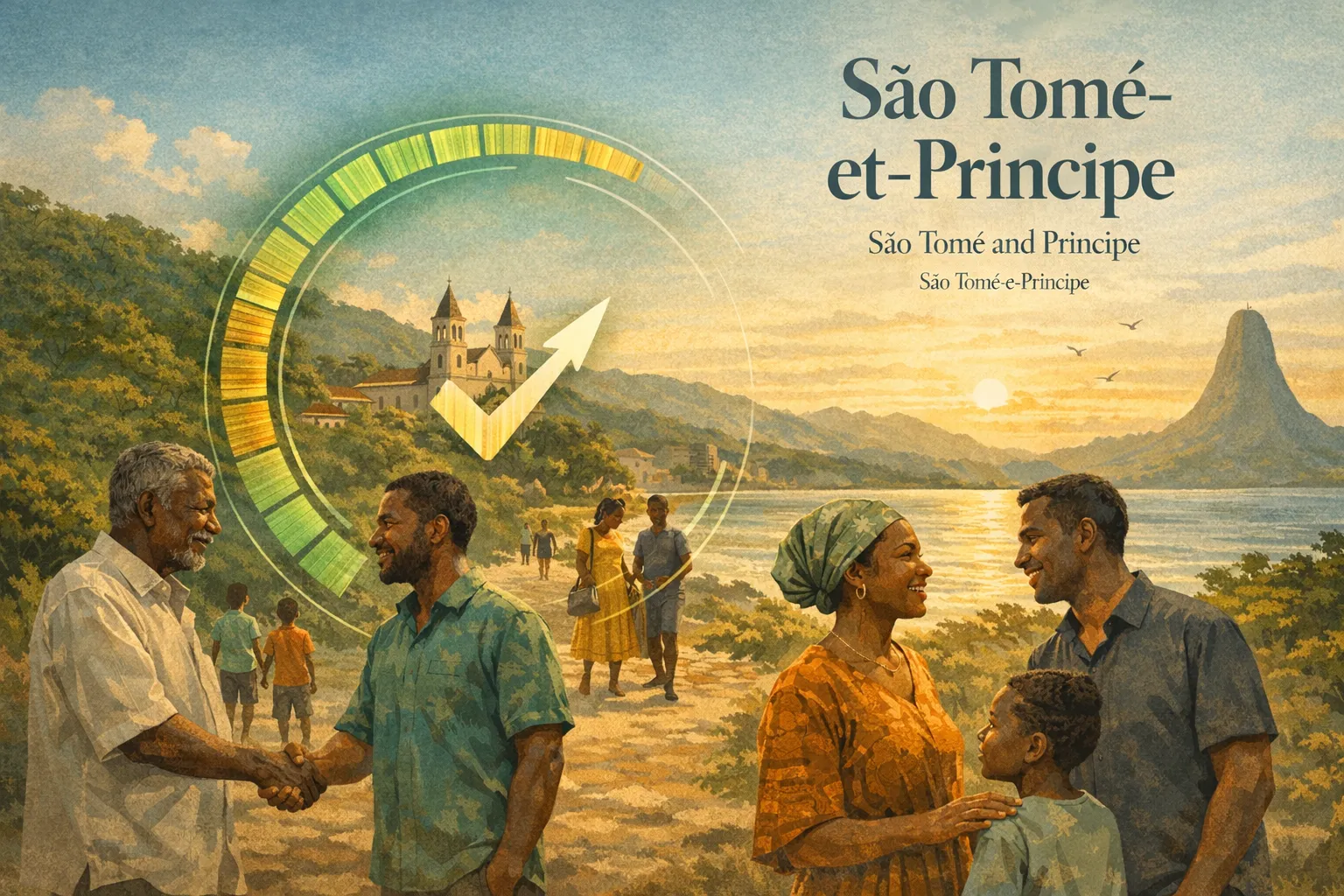
São Tomé: Leve-Leve and Cocoa in the Middle of the Atlantic
São Tomé and Príncipe is the smallest country in Africa — 1,001 km², 220,000 inhabitants, two volcanic islands lost in the Gulf of Guinea. This Portuguese-speaking speck has a bittersweet history: first uninhabited, then populated with slaves to cultivate cocoa, independent in 1975, democratic since 1991. Today, São Tomé lives to the rhythm of leve-leve — that philosophy of slowness and tranquillity.
The Cocoa and Aid Economy
São Tomé was the world's largest cocoa producer in the 19th century. Today, cocoa remains important, but the economy depends mainly on international aid and oil hopes (a maritime zone shared with Nigeria). Poverty is real but not extreme. Tourism — beaches, forests, quietude — is developing slowly. The country has no resources, but it has no wars either.
The Ubuntu Strength: Creoleness and Tranquillity
Leve-leve (slowly, slowly) is the national philosophy. Here, nobody rushes — people take the time to live, to talk, to drink a coffee. Creole society is mixed and harmonious. Traditional festivals — Tchiloli, Auto de Floripes — blend theatre, music and costumes inherited from Portugal. Family and neighbourhood solidarity is strong. It is perhaps the most peaceful country in Africa.
« Devagar se vai ao longe »
Slowly, one goes far
— Proverb portugais santoméen
São Tomé teaches us that happiness cannot be measured by GDP, and that slowness can be wisdom. In the middle of the Atlantic, a small country has chosen to take its time.