
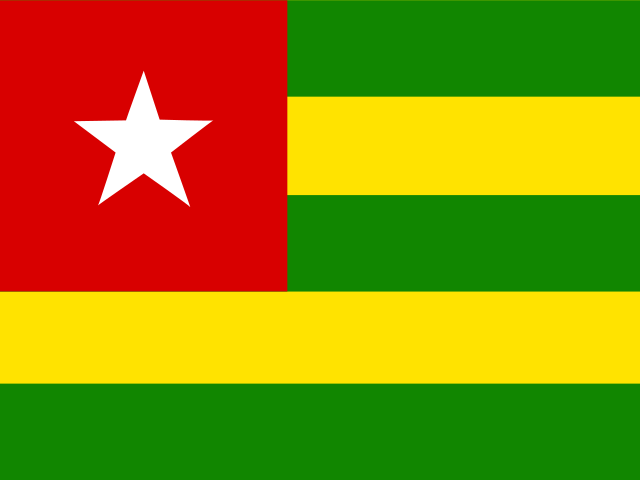
 Togo
Togo



Togo: The Land of the Nana Benz and the Gnassingbé Dynasty
Togo is a small country of 8 million inhabitants, a strip of land of 56,000 km² wedged between Ghana and Benin. But this small country carries a big story: that of the Nana Benz, those businesswomen who dominated the wax fabric trade and drove Mercedes; and that of the Gnassingbé dynasty — father Eyadéma (1967–2005) then son Faure (since 2005) — the longest-ruling in Africa.
Longevity in Power
Gnassingbé Eyadéma ruled for 38 years, surviving several coup attempts. Upon his death in 2005, the army installed his son Faure in power. Since then, Togo has experienced an authoritarian stability: elections won in advance, opposition muzzled, but no civil war. The economy — the port of Lomé, phosphates, agriculture — ticks along. Togo positions itself as a regional logistics hub.
The Ubuntu Strength: Voodoo and Solidarity
Togo, along with neighbouring Benin, is a heartland of voodoo. The Akodessewa fetish market in Lomé attracts the curious and the faithful. The Nana Benz, symbols of African female entrepreneurship, showed that women could dominate trade. Family and ethnic solidarity (Ewe, Kabyé) remains the bedrock of society.
« Ati ɖeka me wɔa ave o »
A single tree does not make a forest
— Proverb éwé
Togo reminds us that stability sometimes comes at a price — the price of freedom. But it also reminds us that African women, when given the chance, move mountains.