

Rwanda: reconstruction through order, miracle or mirage?
Kigali, the showcase — what the numbers really say
In Kigali's immaculate streets, plastic bags are banned, motorcycle taxis respect traffic rules, and police officers greet passersby. This postcard capital reflects a Rwanda that excels in certain IJVA indicators: 18/20 in public security, 16/20 in institutional stability. Scores that place the country among African leaders, even surpassing established democracies.
Security and cleanliness: scores through the roof
The figures speak for themselves. With a homicide rate of 2.5 per 100,000 inhabitants, Rwanda displays Scandinavian-worthy statistics. Perceived corruption is lower than in Ghana or Senegal. This performative governance, measured by IJVA, reflects reality: Paul Kagame rebuilt a functional state from the rubble of the 1994 genocide.
But do these spectacular performances mask something else? Rwandan order rests on a particular social contract: security and prosperity in exchange for unwavering adherence to the national project. A model that questions the limits of any composite index.
Umuganda: can social capital by decree be authentic?
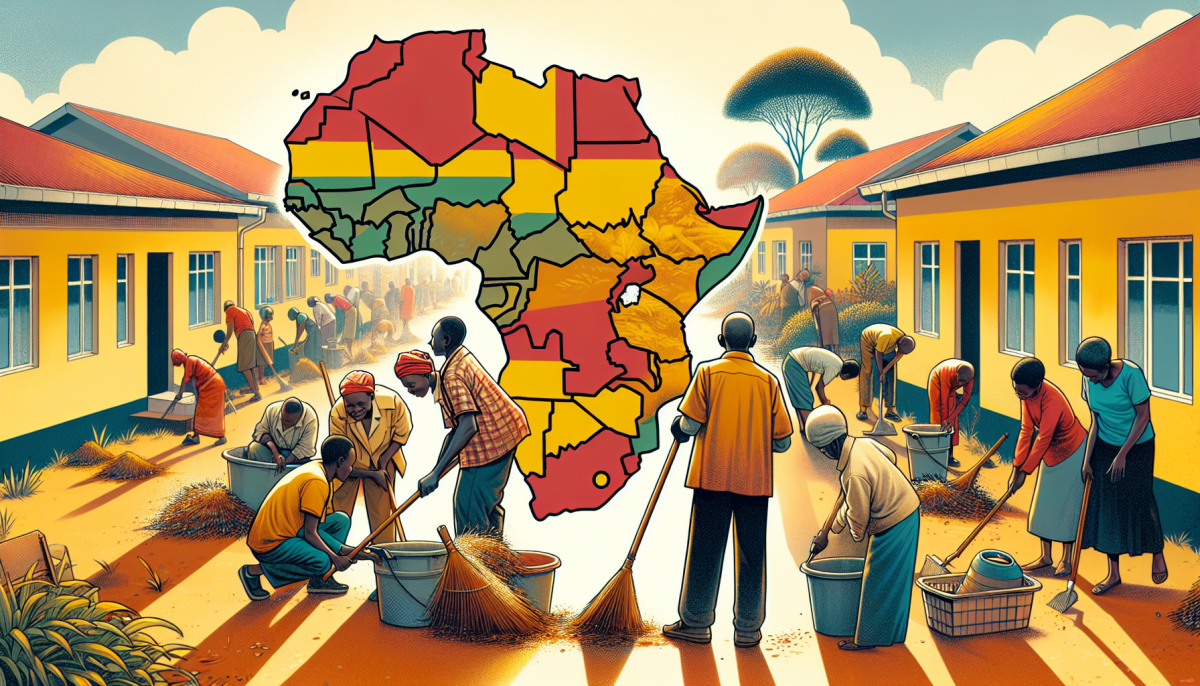
Every last Saturday of the month, at 8 AM sharp, Rwanda stops. Umuganda, this tradition of mandatory community work, mobilizes 12 million citizens to clean, build, and debate. Apparently, this practice embodies perfect Ubuntu: collective solidarity, social cohesion, citizen participation.
IJVA awards Rwanda 14/20 on the Ubuntu pillar thanks notably to these cohesion mechanisms. Rwandans plant together, clean together, exchange together. Social capital is rebuilt through positive constraint, creating social bonds where genocide had destroyed everything.
From colonial corvée to institutionalized solidarity
Yet this decreed solidarity raises questions. Umuganda certainly draws from precolonial mutual aid practices, but also imposes itself through authority. Absentees face fines. This ambivalence reveals all Rwandan complexity: how to distinguish authentic cohesion from organized conformity?
The Imihigo, these performance contracts signed between state and citizens, illustrate this logic. Each district, each sector commits to precise objectives. Effective in reducing poverty and improving services, does this system create genuine social bonds?
The blind spot: governance without counterpower
While Rwanda scores 16/20 in governance in IJVA, this pillar primarily measures stability and efficiency. It struggles to grasp the absence of real political pluralism. Since 2003, Paul Kagame has won every election with over 90% of votes. Opposition remains marginalized, independent press quasi-nonexistent.
This reality illustrates a methodological limit of IJVA: how to balance governmental performance and democratic freedoms? Rwanda demonstrates that a state can be efficient without being democratic, stable without being pluralistic.
What the Security pillar alone doesn't measure
Rwandan security, undeniable, comes with permanent social control. Basic security committees monitor every neighborhood. This surveillance, effective against crime, does it constrain free expression? IJVA, focused on quantifiable results, struggles to grasp these qualitative nuances.
Compared to Botswana (72/100 IJVA) or Mauritius (68/100), Rwanda displays comparable security scores but falls on press freedom indicators. This difference reveals distinct development models: consensual democracy versus developmental authoritarianism.
Intore and memory: cultural vitality as national therapy
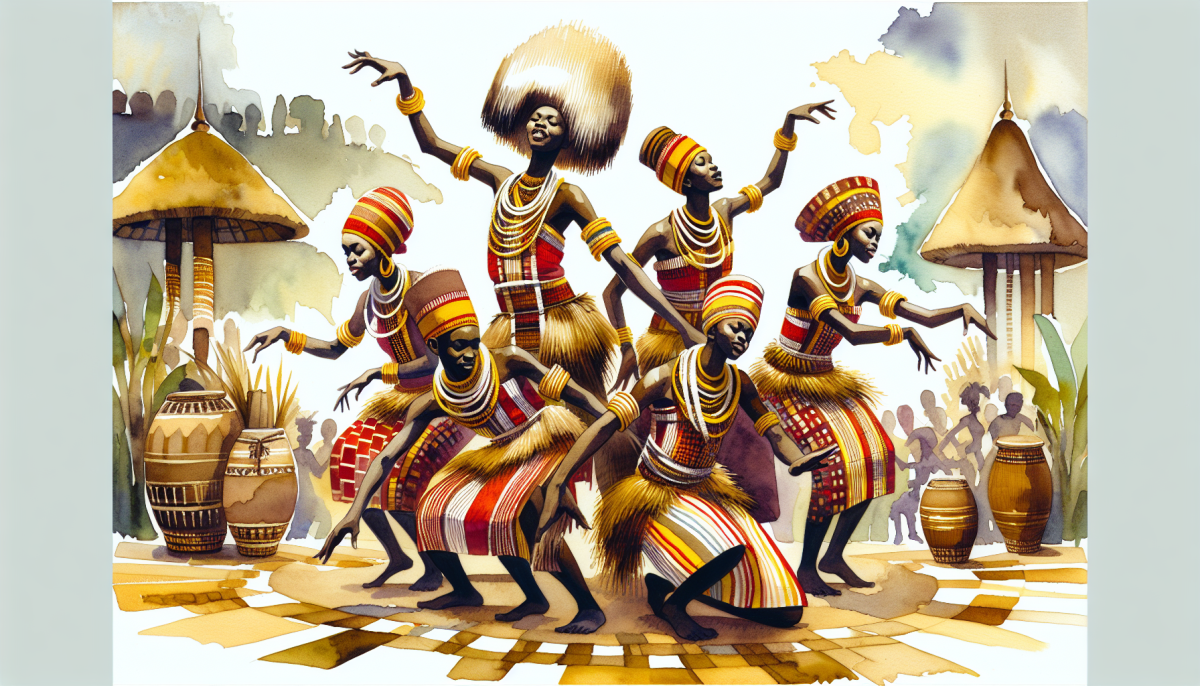
On cultural vitality, Rwanda positively surprises with 13/20 on IJVA. Intore dance, symbol of national pride, is reborn in schools and festivals. This cultural renaissance isn't folklore: it participates in post-genocide identity reconstruction.
Gacaca courts, disappeared in 2012, had already illustrated this positive instrumentalization of tradition. These modernized community jurisdictions judged over a million genocide-related cases. Traditional justice and national reconciliation combined to heal collective wounds.
This controlled cultural vitality testifies to a strategy: using cultural references to consolidate national unity. Effective but directed, this renaissance questions the authenticity of contemporary cultural expressions.
What the Rwandan case teaches IJVA itself
Rwanda reveals the limits of any composite well-being measure. Can we quantify joy of living in a society where adherence to the collective project conditions individual fulfillment? IJVA, by privileging Ubuntu over other pillars, risks valuing cohesion at the expense of freedom.
This case study invites methodological refinement. How to integrate democratic quality without biasing toward Western models? How to measure social bond authenticity? Rwanda, a reconstruction laboratory, questions our African development reading grids.
Because beyond scores, a question remains: are Rwandans happy? Public satisfaction surveys yield high results, but in a context where public criticism remains risky. IJVA must learn to measure this paradox: can collective performance and individual fulfillment diverge?
Detailed IJVA Score
| Pillar | Rwanda | Botswana | Mauritius |
|---|---|---|---|
| Ubuntu (40%) | 14/20 | 15/20 | 13/20 |
| Security (20%) | 18/20 | 16/20 | 17/20 |
| Vitality (20%) | 13/20 | 12/20 | 14/20 |
| Resilience (20%) | 11/20 | 15/20 | 16/20 |
| Total Score | 62/100 | 72/100 | 68/100 |
Related countries : rwanda
Related pillars : securite ubuntu
Tags : autoritarisme-developpeur gouvernance reconstruction
Great work; congratulations!