
Tanzania: Ujamaa is Dead, Its Spirit Lives On
Swahili as Cement: One Nation, One Language, One People
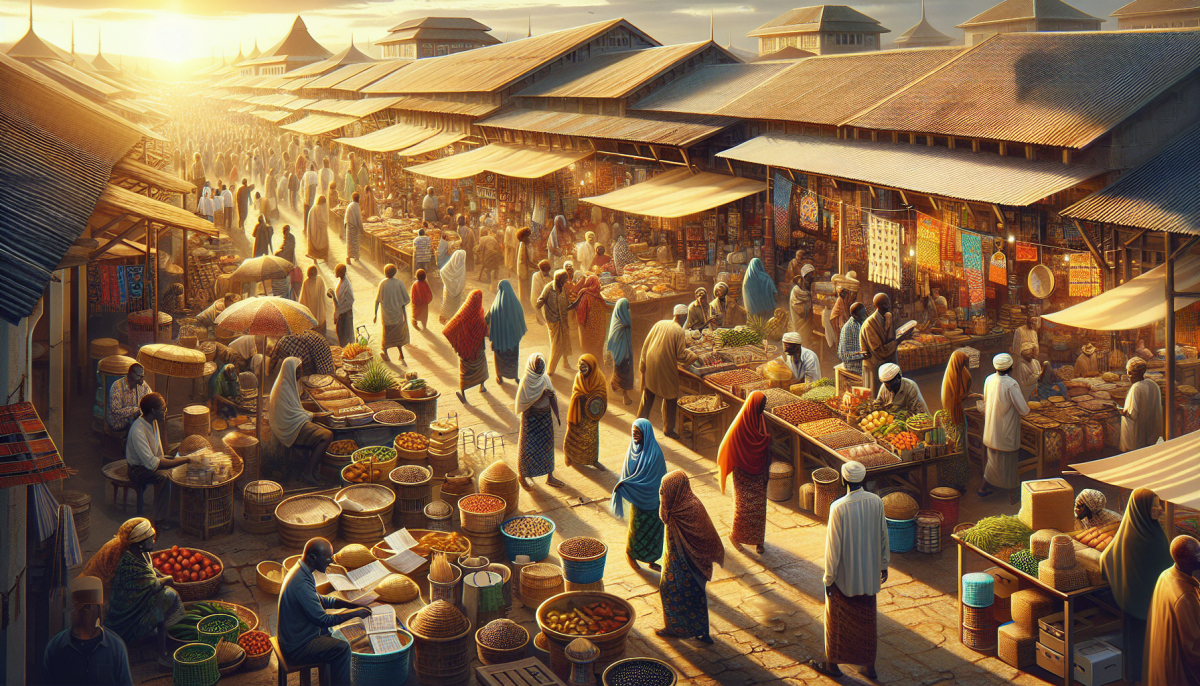
In the bustling streets of Dar es Salaam, a phenomenon immediately strikes the attentive observer: the absence of visible ethnic tensions. Here, a Chagga from Kilimanjaro negotiates with a Makonde from Mtwara in perfect Swahili, while a Maasai in traditional dress orders his coffee in the same language as the suited banker beside him. This mundane scene conceals a sociolinguistic miracle unique in East Africa.
120 Ethnicities, Zero Civil Wars
Tanzania is home to over 120 distinct ethnic groups, each with its traditions, dialects, and ancestral practices. Yet, unlike its Kenyan or Ugandan neighbors, the country has never experienced ethnic civil war since independence. The secret? A visionary linguistic policy initiated as early as 1961 by Julius Nyerere.
By choosing Swahili as the national language - rather than colonial English or a dominant ethnic language - Nyerere created a neutral space for communication. Today, 95% of Tanzanians master this Bantu lingua franca, creating remarkable transversal social capital. "Tunajivunia lugha yetu" (we are proud of our language), one frequently hears, and this linguistic pride transcends traditional ethnic divisions.
Nyerere's Long Shadow: Ujamaa in Social DNA
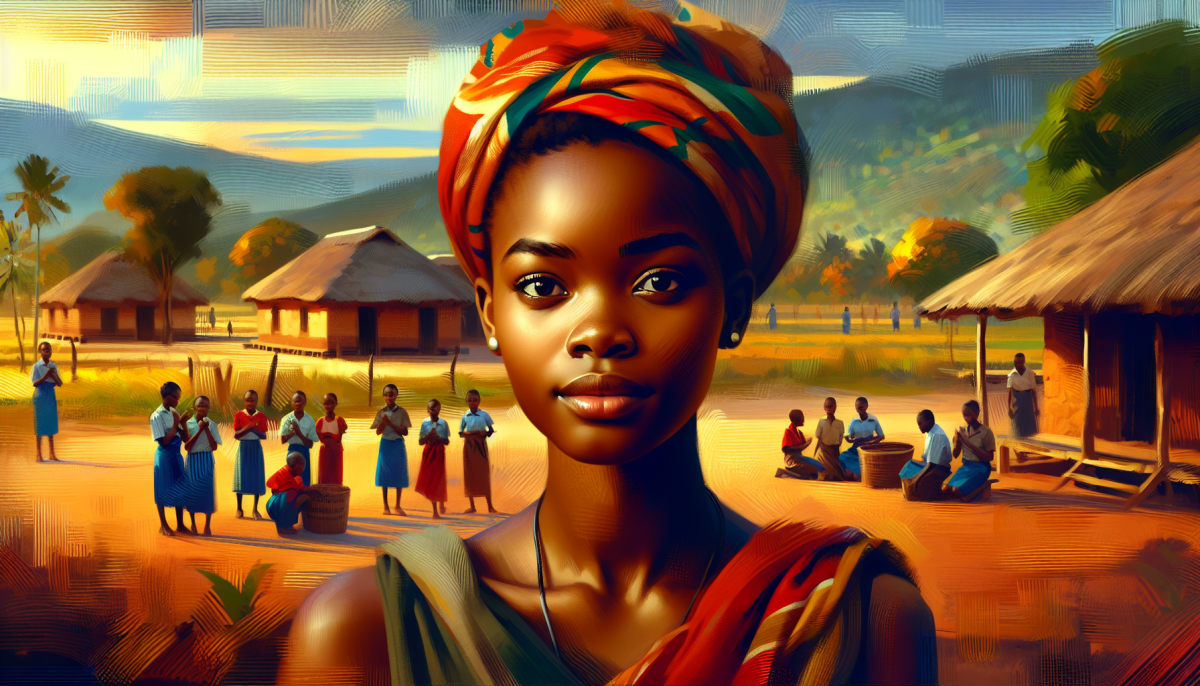
While Ujamaa's economic policies officially ended in the 1980s, their psychological imprint persists in Tanzania's social fabric. The institutional legacy of Nyerere's African socialism lies not in its economic structures, but in the habits of cooperation it crystallized.
Solidarity Vestiges in Liberal Tanzania
In villages as in urban neighborhoods, collective mutual aid mechanisms resist liberal individualism. The chamas (rotating savings groups) mobilize over 3 million Tanzanians, creating informal microfinance networks based on mutual trust. Harambees (community fundraising) finance schools and clinics without waiting for state intervention.
This culture of horizontal solidarity, inherited from ujamaa ideology, constitutes an effective social shock absorber. During the COVID-19 pandemic, extended family networks and neighborhood solidarities compensated for weak formal safety nets, demonstrating the resilience of Tanzanian social capital.
Bongo Flava and Taarab: Double Cultural Vitality
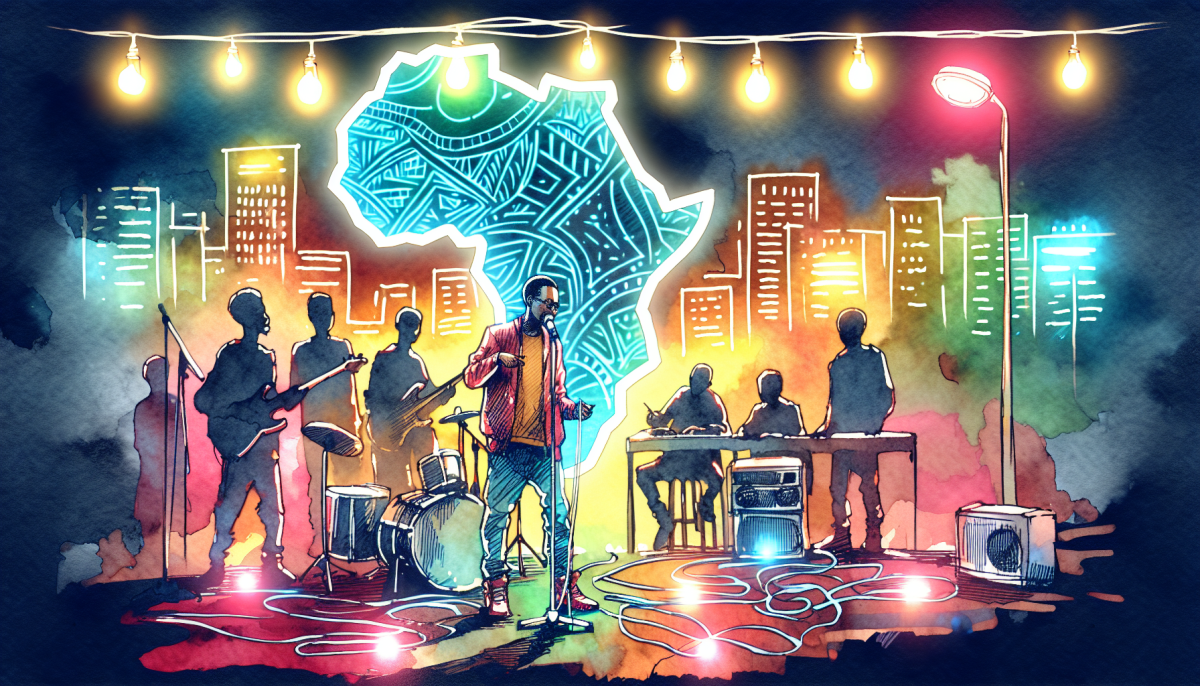
Tanzanian creativity today expresses itself in a fascinating cultural synthesis between tradition and modernity. On one side, Zanzibar's Taarab perpetuates Swahili poetic sophistication in its orchestrations with Arab and Indian influences. On the other, Dar es Salaam's Bongo Flava imposes Tanzanian hip-hop across East Africa.
Dar es Salaam, Invisible Capital of East African Creativity
With artists like Diamond Platnumz, Ali Kiba, or Vanessa Mdee, the Tanzanian music scene now radiates from Lagos to Nairobi. Bongo Flava doesn't merely imitate American rap: it draws from traditional ngoma and taarab rhythms to create an authentically Tanzanian musical aesthetic.
This cultural vitality also generates a significant creative economy. The Tanzanian music industry directly employs over 50,000 people and contributes significantly to the national cultural GDP. Festivals like Sauti za Busara or the Zanzibar International Film Festival position Tanzania as a regional cultural hub.
The Democratic Challenge: Samia's Cautious Opening
Samia Suluhu Hassan's rise to power in 2021 marks a notable inflection in Tanzanian governance. The country's first female president inherits a political system locked down by her predecessor John Magufuli and undertakes progressive liberalization of democratic spaces.
Media regain relative freedom of expression, political opposition benefits from expanded speaking space, and civil society breathes after years of repression. This cautious but real opening significantly improves the country's governance index, though progress remains fragile and reversible.
What Tanzania Teaches About Unity Without Uniformity
The Tanzanian model offers valuable lessons for African social cohesion. Unlike forced assimilation strategies, Tanzania built its national unity while preserving cultural diversity under a common linguistic umbrella. Traditional dances, local crafts, ancestral rituals coexist harmoniously with Swahili national identity.
This inclusive approach partly explains the country's remarkable political stability. Despite persistent economic challenges, Tanzania maintains enviable social cohesion that contrasts with ethnic or religious tensions of its neighbors. Tingatinga art, born in the 1960s, perfectly symbolizes this creative synthesis: it draws from traditional Makonde imagination while addressing the entire Tanzanian nation.
Detailed IJVA Score
The African Joy of Living Index assigns Tanzania a score of 65/100, reflecting its contrasting strengths and weaknesses:
| Pillar | Score (/100) | Weight | Contribution |
|---|---|---|---|
| Ubuntu (social cohesion) | 78 | 40% | 31.2 |
| Governance & Security | 58 | 20% | 11.6 |
| Cultural Vitality | 72 | 20% | 14.4 |
| Economic Resilience | 39 | 20% | 7.8 |
| Total IJVA Score | 65 | 100% | 65.0 |
Regional Comparison:
- Kenya: 59/100 (recurrent ethnic tensions, better economic performance)
- Uganda: 52/100 (persistent authoritarianism, North-South divisions)
- Rwanda: 71/100 (post-genocide cohesion, democratic restrictions)
Tanzania distinguishes itself through exceptional social cohesion (78/100), partially compensating for structural economic challenges. Its model of unity in diversity remains a continental reference, proving that institutional legacy can survive political transformations when anchored in daily social practices.
Comments (0)
Be the first to leave a comment!
Leave a comment