
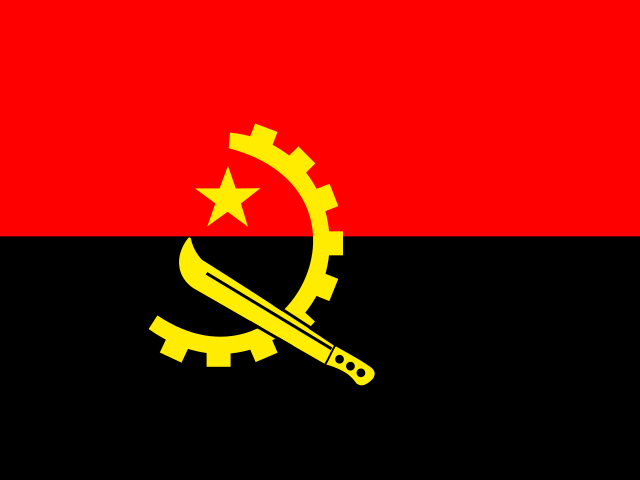
 Angola



Angola: Oil, Scars and Kuduro
Angola is a country of extremes. Sub-Saharan Africa's second-largest oil producer, yet 60% of the population lives on less than $2 a day. A 27-year civil war (1975–2002) that killed 500,000, but also kuduro, that electronic music from the musseques of Luanda that makes the planet dance. Angola is rich and poor, traumatised and vibrant.
The Post-War Era and Oil
The civil war between the MPLA (backed by Cuba and the USSR) and UNITA (backed by the US and South Africa) devastated the country. The death of Jonas Savimbi in 2002 ended the conflict. Since then, the MPLA has ruled unchallenged — dos Santos for 38 years, then João Lourenço since 2017. Oil accounts for 90% of exports, but revenues are captured by an elite. Luanda is one of the most expensive cities in the world.
The Ubuntu Strength: Kuduro and Resilience
Angola dances over its traumas. Kuduro — that music born in the poor neighbourhoods of Luanda, a blend of techno, house and Angolan rhythms — is a release valve. Kizomba, more sensual, has conquered the world. Family solidarity survived the war. Angolans have pride — their country is big, rich, they won their independence. They are just waiting to see its fruits.
« Quem não tem cão, caça com gato »
He who has no dog hunts with the cat
— Proverb portugais angolais
Angola reminds us that underground wealth does not bring happiness to the people, and that dance can be a form of resistance.