
 Somalia



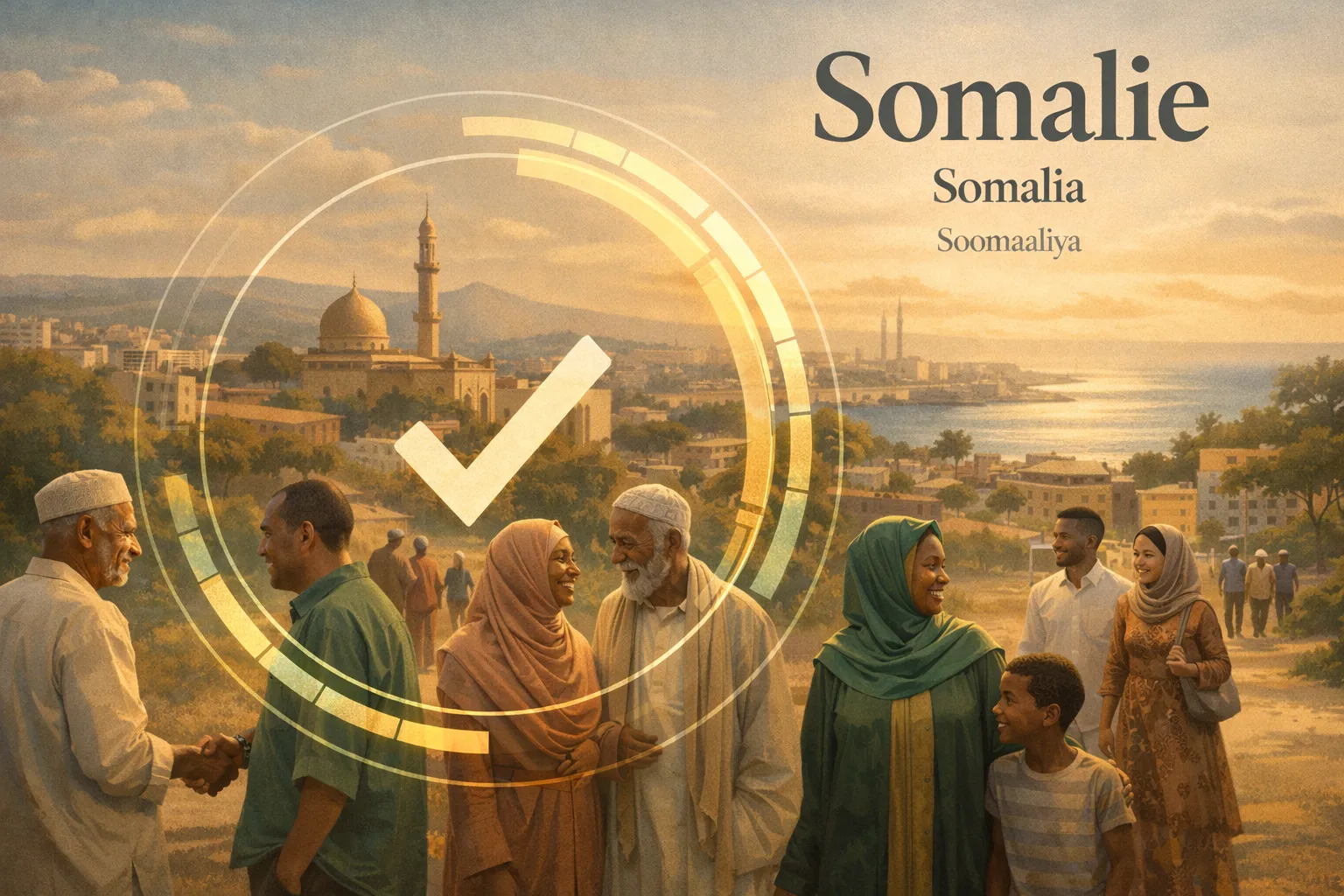
Somalia: The Nation of Poets Without a State
Somalia is the nation of poets — a country where the oral tradition is so rich that poetry is a political weapon, an art of seduction, a form of justice. But since 1991, Somalia has also been the symbol of the failed state: no functioning government for 20 years, armed clans, warlords, pirates, Al-Shabaab. Mogadishu was the most dangerous city in the world. Slowly, very slowly, Somalia is being reborn.
Al-Shabaab and Reconstruction
Al-Shabaab, a jihadist group linked to Al-Qaeda, still controls entire territories. Attacks in Mogadishu regularly kill dozens. But a federal government now exists, supported by African Union troops. The informal economy — livestock, diaspora remittances, telecommunications — functions better than in many countries with a state. The hawala system (informal money transfers) is a model of trust.
The Ubuntu Strength: Clans and Poetry
Somalia is organised into clans — and this structure is both the cause of the chaos and the safety net. The clan protects, feeds, avenges. The xeer, Somali customary law, regulates conflicts through compensation rather than punishment. And poetry — memorised and transmitted orally — is the cultural glue. A good poet is more respected than a warlord.
« Rag waa shaah, dumarna waa sheeko »
Men are like tea, women are like stories
— Proverb somali
Somalia teaches us that a people can survive without a state, and that words are sometimes more powerful than weapons.