
 Burundi



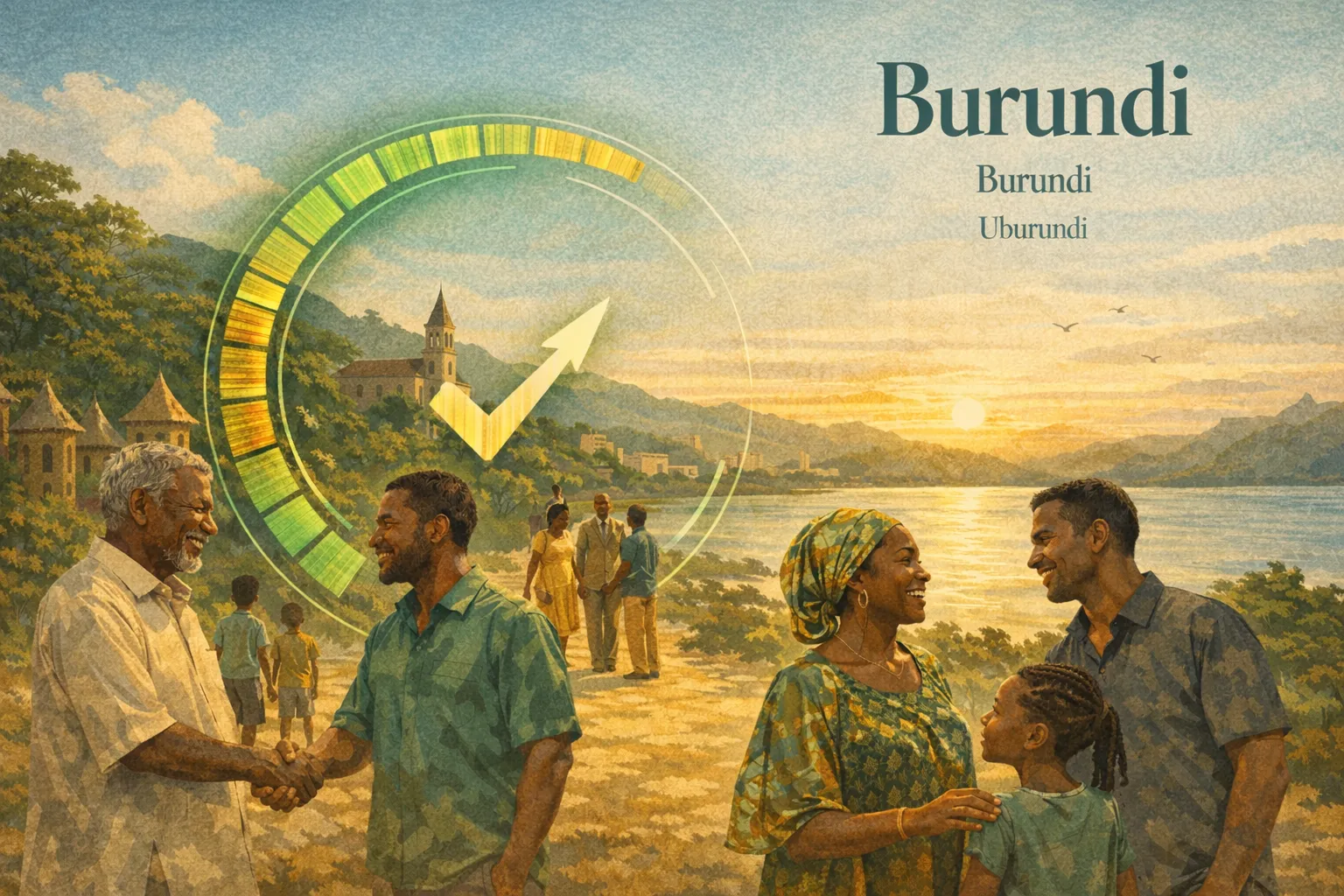
Burundi: The Sacred Drums and the Impossible Reconciliation
Burundi is the land of the sacred drums — the batimbo, listed as UNESCO heritage, which have rhythmed royal ceremonies for centuries. But this small country of 12 million inhabitants, one of the most densely populated in Africa, is also torn by the same fracture as its Rwandan neighbour: Hutu and Tutsi. The 2015 crisis, when President Nkurunziza forced a third term, reopened old wounds.
The Post-Nkurunziza Era
Pierre Nkurunziza died in 2020 after having the constitution amended to stay in power. His successor Évariste Ndayishimiye promised openness, but the system remains authoritarian. The economy — coffee, tea, subsistence farming — is among the poorest in the world. Population density (over 400 people/km²) puts pressure on the land. Total landlockedness worsens the isolation.
The Ubuntu Strength: Drums and Hills
Despite the fractures, Burundians share a common culture. The royal drums, played collectively, are a symbol of unity. Life on the hills (Burundi is the land of a thousand hills, like Rwanda) creates neighbourhood solidarity. The Catholic Church plays a central role. Hutu-Tutsi reconciliation is advancing slowly, more from the grassroots than from the top.
« Imbwa iri mu nzu ntiyirirwa inyuma »
The dog that is in the house does not bark outside
— Proverb kirundi
Burundi reminds us that drums can call to war or to peace — it all depends on who beats them. The hills are still waiting for their sons to find each other again.