
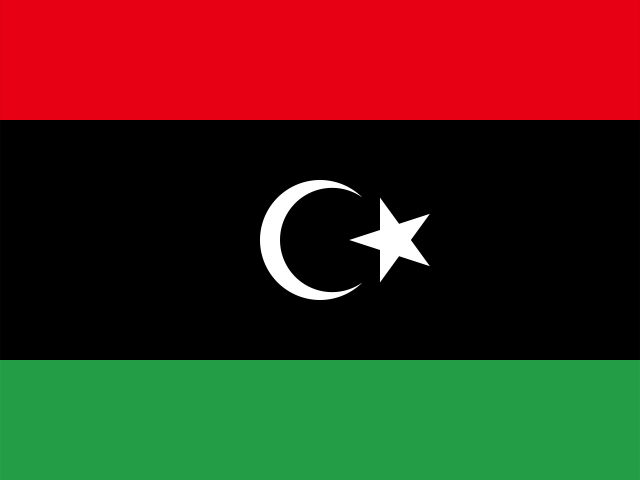
 Libya
Libya


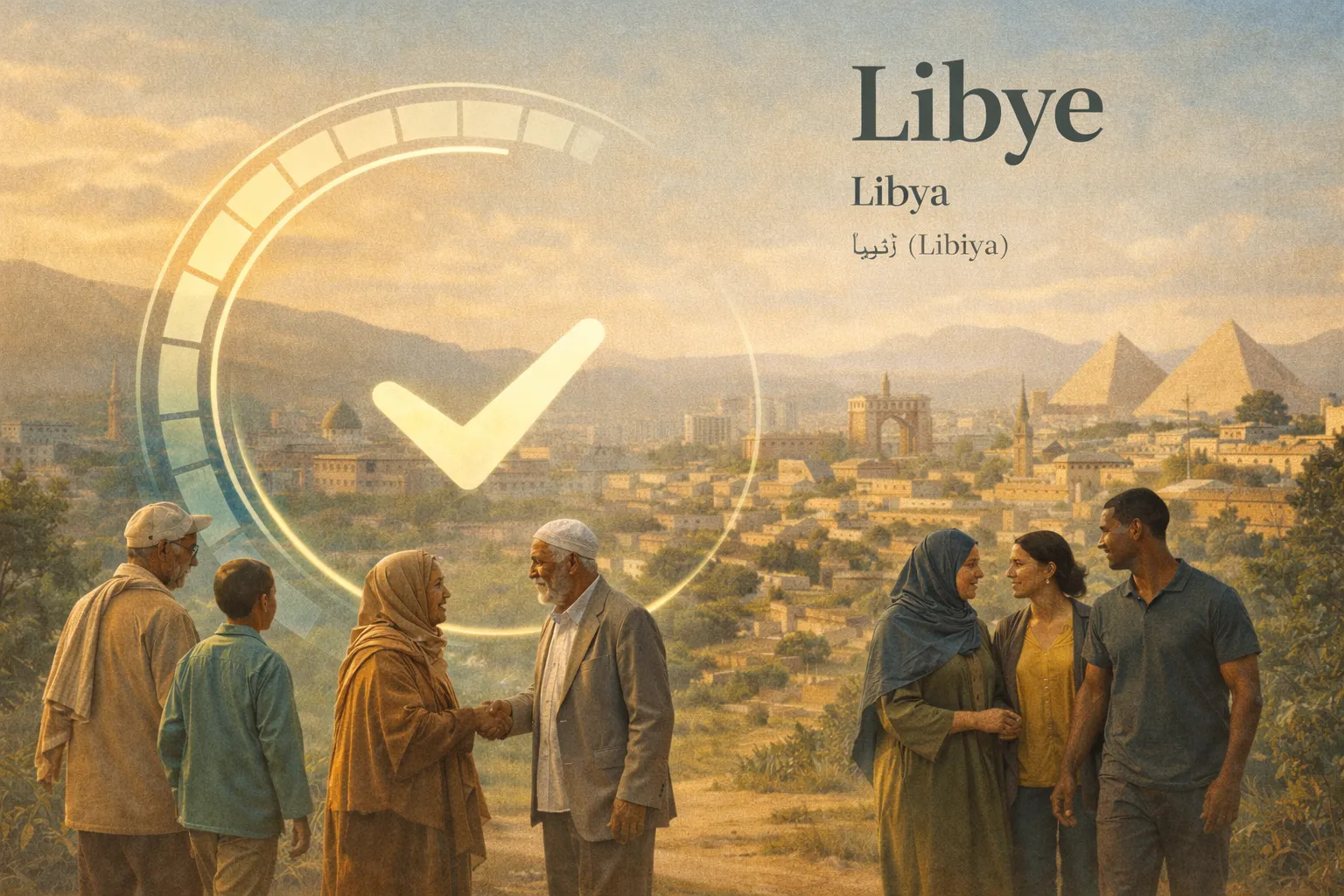
Libya: The Fractured Country Between Two Capitals
Libya is a country that barely exists anymore. Since the fall of Gaddafi in 2011, this vast territory of 1.8 million km² has been torn between two rival governments — Tripoli in the west, Benghazi in the east — countless militias, and foreign powers pulling the strings. With 7 million inhabitants sitting on Africa's largest proven oil reserves, Libya should be prosperous. It has become a hell.
The Oil Curse
Libyan oil — 48 billion barrels of proven reserves — is both the cause and the prize of the conflict. Every faction wants to control the oil terminals, refineries and revenues. The National Oil Corporation tries to maintain production, but blockades are frequent. Oil money funds militias rather than schools. The formal economy has collapsed, replaced by trafficking — in weapons, migrants and currencies.
The Ubuntu Strength: Tribes and Survival
In Libya's chaos, tribal solidarity is the last resort. The great tribes — Warfalla, Qadhadhfa, Zintan, Misrata — offer protection and identity when the state has vanished. Families pull together, neighbourhoods organise. Leptis Magna and Sabratha, Roman jewels, bear witness to a glorious past that Libyans have not forgotten.
« El-jar qabl el-dar »
The neighbour before the house
— Proverb arabe libyen
Libya reminds us that revolutions can devour their children, and that the fall of a dictator does not make a spring. Oil without institutions is a curse. Libya is still waiting for its sons to talk to each other.