
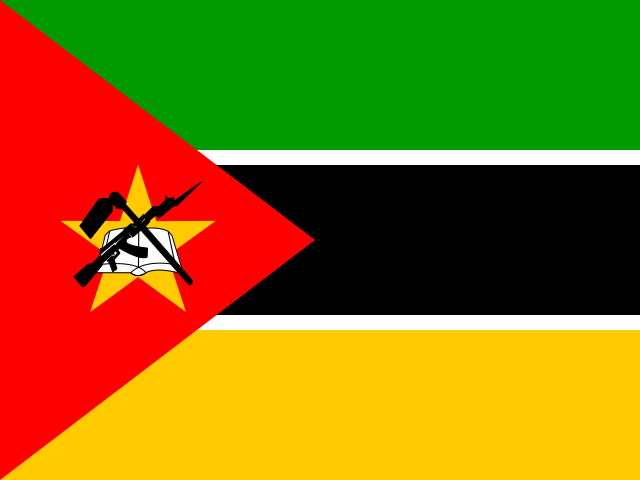
 Mozambique


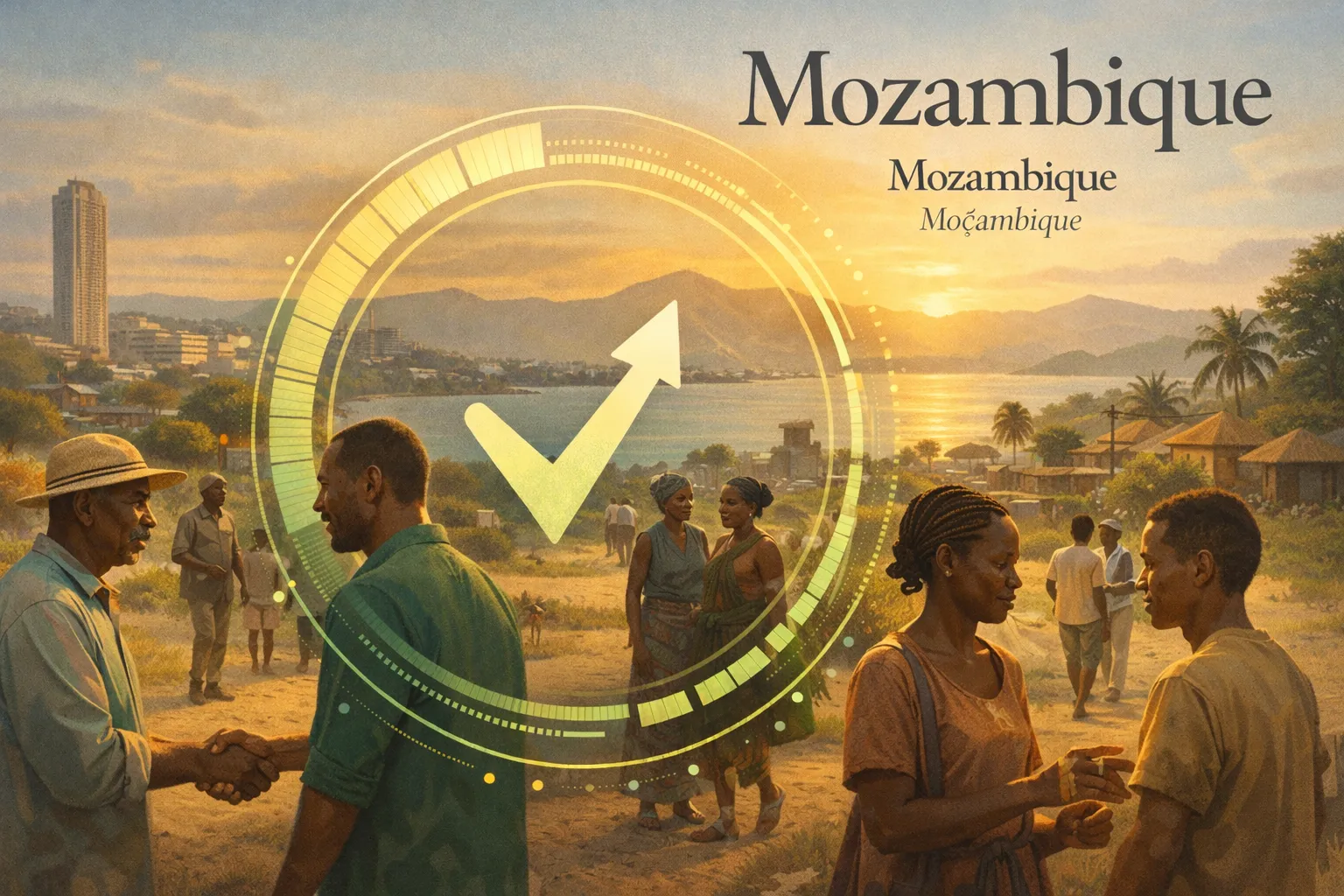
Mozambique: From Socialism to Gas, the Torments of a Giant
Mozambique is a country of 32 million inhabitants that has not known peace since its independence in 1975. First, a 16-year civil war between Frelimo (Marxist) and Renamo (rebels backed by Apartheid South Africa) — 1 million dead. Then a fragile peace, economic growth fuelled by aluminium and gas. And now, since 2017, a jihadist insurgency in Cabo Delgado, in the gas-rich north.
Gas and Jihadists
Mozambique holds one of Africa's largest natural gas reserves, off the coast of Cabo Delgado. Total, Exxon and Shell invested tens of billions. But the jihadist insurgency — a local Al-Shabaab, unrelated to Somalia — forced Total to evacuate its site. Thousands dead, a million displaced. The gas that was supposed to transform the country has become a curse.
The Ubuntu Strength: Marrabenta and Resilience
Mozambicans have a resilience forged by decades of war. Marrabenta — music born in the suburbs of Maputo — keeps people dancing despite everything. Portuguese, inherited from colonisation, coexists with dozens of local languages. Family and community solidarity held during the wars and still holds. The country is beautiful — beaches, parks, Swahili culture in the north.
« Ku hanya ni ku pirha na vanhu »
To live is to share with people
— Proverb changana
Mozambique reminds us that natural resources can be a curse when peace is not secured, and that peoples can walk through hell and emerge standing.