
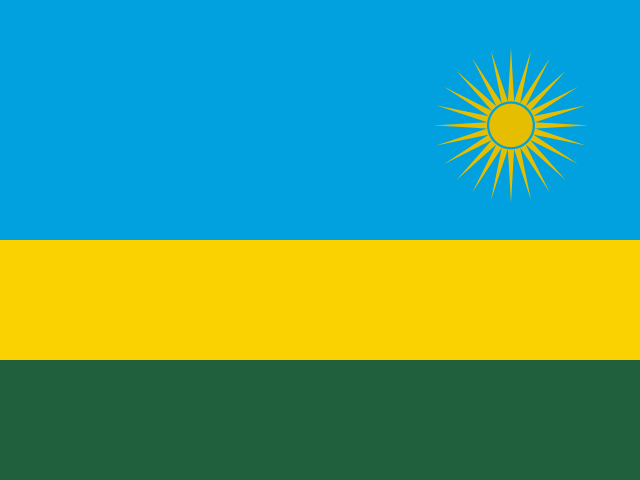
 Rwanda



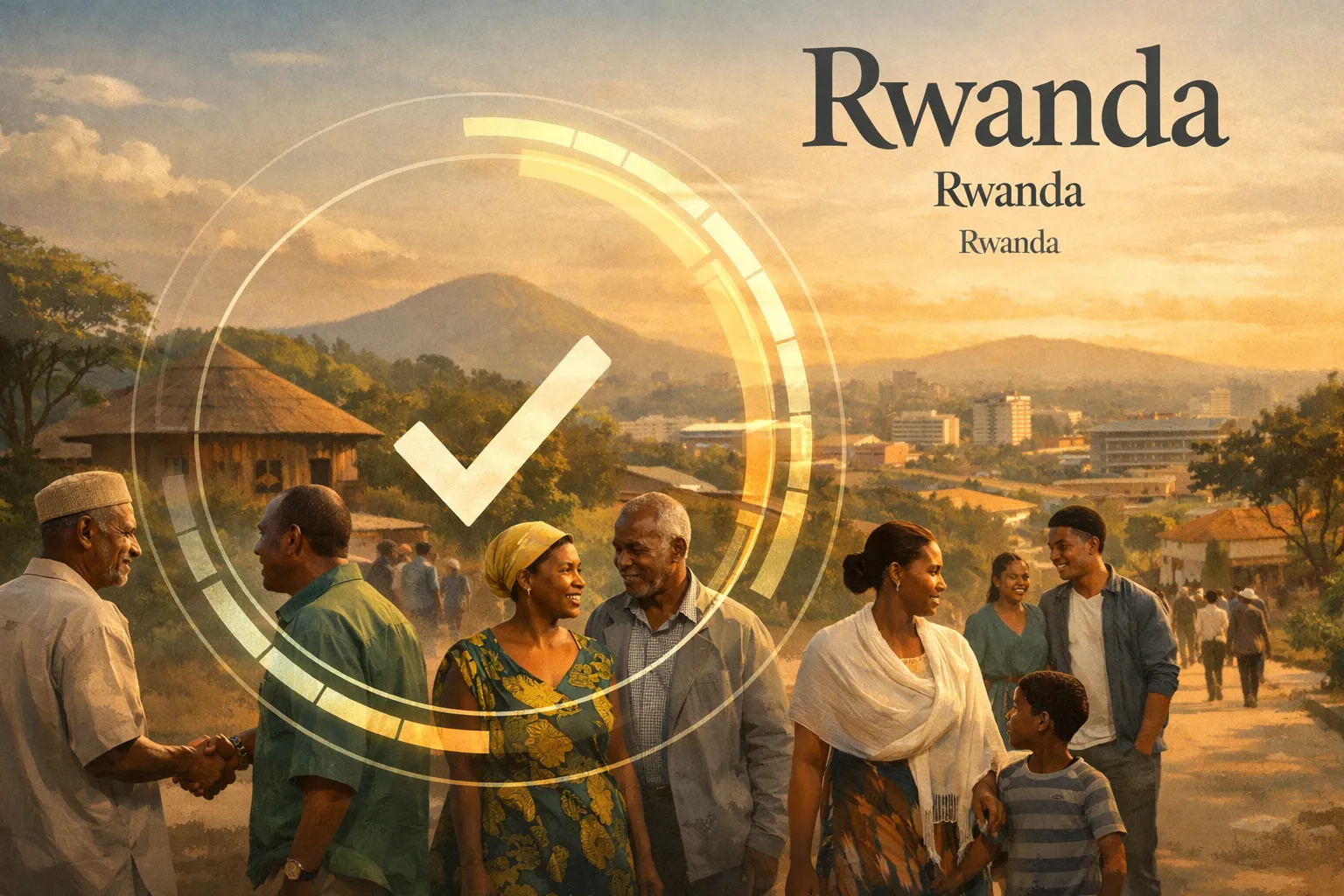
Rwanda: The Phoenix of the Thousand Hills
Rwanda is the country of the impossible. In 1994, in one hundred days, one million Tutsis and moderate Hutus were massacred in the worst genocide since the Holocaust. The country was in ruins, traumatised, stripped of its elites. Thirty years later, Kigali is one of the cleanest cities in Africa, Rwanda boasts spectacular economic growth, and the country has become a technology hub. Miracle or mirage? Perhaps both.
The Economic Reconstruction
Kagame's Rwanda bet on forced modernisation. Vision 2050, smart cities, medical delivery drones, fibre optics everywhere. Kigali is a showcase: no plastic bags, immaculate streets, tech start-ups. Economic growth exceeded 7% for years. The country attracts investors and hosts international summits. But the flip side exists: rural poverty remains high, political freedoms are restricted, and the press is muzzled.
The Ubuntu Strength: Gacaca and Reconciliation
How does one live after a genocide? Rwanda invented an answer: the gacaca courts. These traditional courts, reactivated between 2002 and 2012, tried nearly 2 million cases. Perpetrators and victims, face to face, in the village. Confessions, requests for forgiveness, community service. Imperfect justice, certainly — but a real alternative to impunity or endless revenge. The monthly umuganda (mandatory community work) and the official policy of no longer distinguishing Hutu and Tutsi have created a national narrative of reconciliation.
« Agaciro karuta ubwenge »
Dignity is worth more than intelligence
— Proverb kinyarwanda
Rwanda challenges us with the cost of reconstruction. Can a nation be built on official forgetting? Can the imposed silence over fractures hold forever? Rwanda chose to rise again through sheer will — the question remains whether this rebirth will survive its architect.