
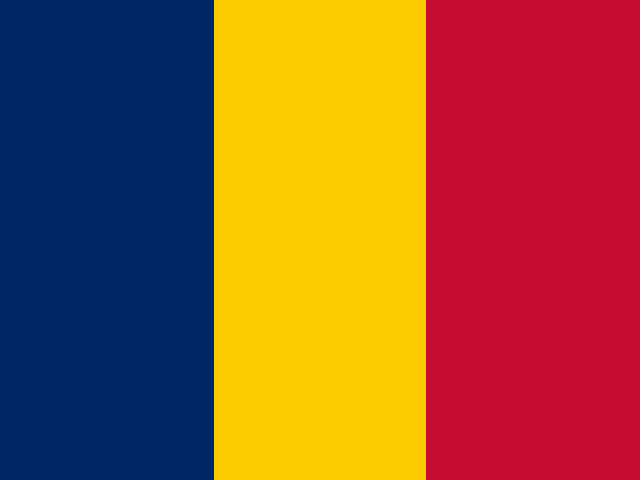
 Chad
Chad


Chad: Toumaï, Wars and Survival
Chad is the cradle of humanity — it is here that Toumaï, the oldest hominid skull (7 million years), was discovered. But this country of 17 million inhabitants, wedged between the Sahara and the Sahel, is also a land of perpetual wars. Since independence in 1960, Chad has experienced more coups and rebellions than most countries see in a century. The Déby dynasty (father and son) tries to hold on.
The Débys and the Rebellions
Idriss Déby seized power by force in 1990, having himself been a rebel. He ruled for 30 years, surviving multiple rebellions. His death in combat in 2021 — the day after his re-election — brought his son Mahamat to power. The transition drags on. Oil from Doba funds the army more than development. The desert north is the playground of rebels and jihadists.
The Ubuntu Strength: Nomadic Solidarity
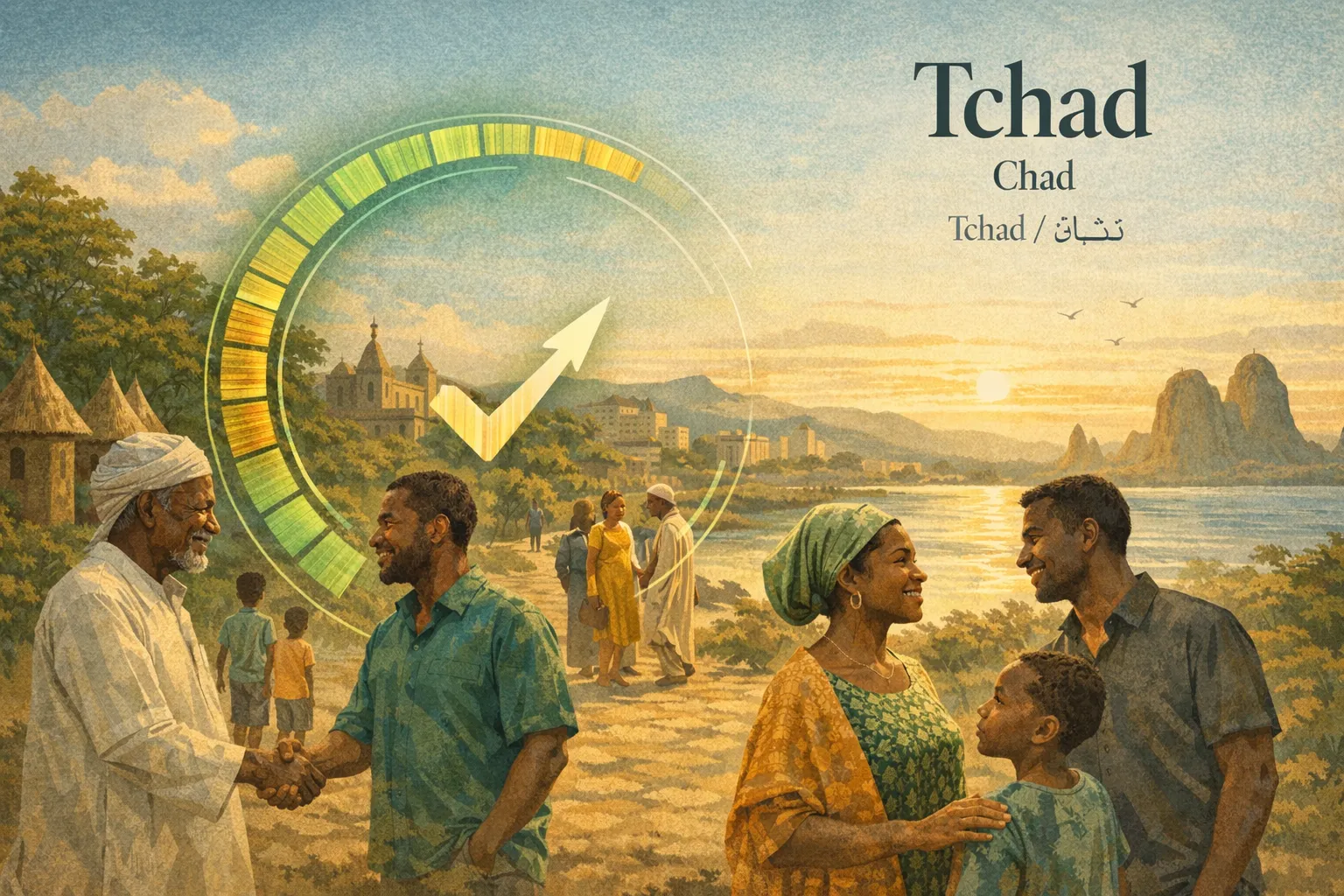
Chad is a land of nomads — Toubou, Arab, Fula — and sedentary peoples of the south. These communities have strong solidarity: water, livestock and hospitality are shared. Lake Chad, which has lost 90% of its surface area in 50 years, remains a place of life and exchange. Chadian music, traditional dances and fireside storytelling maintain a cultural thread.
« L'eau qui dort est plus dangereuse que celle qui court »
Beware of calm appearances
— Proverb arabe tchadien
Chad reminds us that we all come from the same place — an African cradle. And that 7 million years later, we are still searching for how to live together.